


The Rise of Silent Marketing: Why the Loudest Brands Aren't Always the Winners
The Rise of Silent Marketing: Why the Loudest Brands Aren't Always the Winners
There was a time when marketing meant volume. More ads, more reach, more shouting into the feed until someone, somewhere, noticed. That era isn't gone — but it's no longer where the smartest brands are placing their bets.
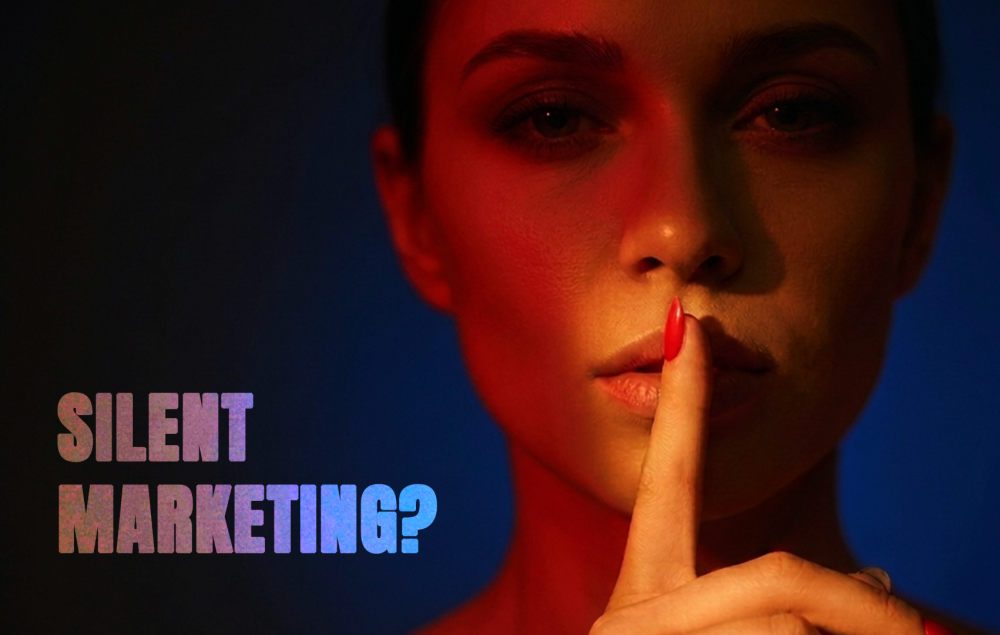
A quieter approach has been gaining ground. Marketers are calling it silent marketing: a shift away from constant, in-your-face promotion toward subtler, more deliberate ways of building brand presence. No blaring CTAs. No aggressive retargeting. Just relevance, timing, and trust, working in the background.
Here's what's driving it, what it looks like in practice, and how brands in Lebanon, the Gulf, and beyond are already using it to win attention without demanding it.
What Is Silent Marketing, Exactly?
Silent marketing isn't the absence of marketing. It's marketing that doesn't announce itself as marketing. Think of it as the difference between a billboard and a well-placed product on a shelf you were already browsing — both are working to sell you something, but only one feels like an interruption.
In practice, silent marketing shows up as:
- Understated product placement rather than overt sponsorship
- Organic-feeling content that doesn't open with a sales pitch
- Community and word-of-mouth momentum instead of paid amplification
- Design and experience doing the persuading, not copy
- Brand presence built through consistency and restraint, not frequency of ads
It's the opposite of "growth at all costs" marketing. It trades short-term impressions for long-term trust.
Why It's Happening Now
- Ad Fatigue Is Real
People are exposed to thousands of marketing messages a day, and most of them are tuned out before they're even processed. Loud, repetitive advertising is increasingly met with ad blockers, skipped pre-rolls, and muted notifications. Silence, ironically, cuts through where noise no longer does.
- Trust Has Become the Currency
Consumers — especially younger ones — are skeptical of anything that feels like it's trying too hard to sell. A brand that shows up with restraint, that lets its product or reputation speak instead of its ad budget, reads as more credible. Silent marketing leans into that skepticism instead of fighting it.
- Algorithms Reward Authenticity
Social platforms increasingly favor content that looks native to the feed over content that looks like an ad. Overt promotional material gets suppressed by the same systems that boost organic-feeling posts. Brands that learn to blend in, while still being unmistakably on-brand, get more reach for less spend.
- Quiet Luxury Spilled Into Marketing
The "quiet luxury" aesthetic — logos removed, subtlety over status signaling — has crossed over from fashion into brand strategy. Brands are realizing that saying less, and saying it well, often communicates more confidence than saying everything, loudly.
What Silent Marketing Looks Like in the Real World
- A real estate developer that lets a beautifully shot property video do the work, with no hard-sell caption, just a location pin and a mood
- An automotive brand posting a cinematic reel where the car is the atmosphere, not the pitch
- A skincare line whose Instagram feels like a beauty editorial, not a product catalog
- A B2B company building authority through a founder's LinkedIn presence rather than a paid campaign
- A hospitality brand relying on guest-generated content and understated event storytelling instead of promotional flyers
None of these tactics disappear the sales objective — they just stop leading with it.
The Risk of Getting It Wrong
Silent marketing is not the same as invisible marketing. Done poorly, "quiet" just means unnoticed. The strategy only works when restraint is paired with:
- A clear brand identity strong enough to be recognized without a hard sell
- Genuinely high-quality creative — because when you remove the sales pitch, the content itself has to carry the weight
- Consistency over time, since silent marketing builds trust gradually rather than converting instantly
- A defined objective, so "subtle" doesn't quietly slide into "aimless"
Brands that mistake silence for laziness — fewer posts, less thought, lower effort — lose the plot entirely. Silent marketing is often more deliberate and more resource-intensive than loud marketing, not less. Every frame, caption, and placement has to earn its spot without shouting about it.
What This Means for Brands in the Region
For markets like Saudi Arabia, the wider Gulf, and Lebanon, where word-of-mouth, reputation, and relationship-driven trust already carry enormous weight, silent marketing isn't an entirely new idea — it's a digital translation of something these markets have long understood offline. The shift is about bringing that same restraint and credibility into content calendars, social feeds, and campaign strategy.
Brands that get this right won't be the ones posting the most. They'll be the ones whose content people stop scrolling for — without ever feeling sold to.
The Takeaway
Silent marketing isn't a rejection of marketing strategy — it's a maturing of it. As audiences grow more resistant to noise, the brands that win attention will be the ones that have learned when not to ask for it.
The loudest voice in the room rarely wins trust. The most consistent, credible, and quietly confident one usually does.
Looking to build a brand presence that earns attention instead of chasing it? Smartest Media helps brands design content strategies that speak quietly — and land loudly.